Byron, your poem captures a deeply moving contrast between the careless trust of youthful brotherhood and the quiet grief of watching that shared foundation fragment. The imagery of red-stained lips turning into untasted cherries on broken ground powerfully conveys the heartbreak of a loved one's declining mind, yet your ending finds a poignant resilience in choosing to consciously cherish sweet memory.
this put me in mind of a sermon I once gave at my church. Here's the excerpt that your poem brought back to me:
At the age of nine or ten, I had a favorite climbing tree behind our house. It was an oak that stood about thirty-five or forty feet high, and I knew every major branch all the way to the top. During the summer, I'd climb it a couple of times a week, going up until the smaller branches would support my weight only if I spread out, belly down, to let them cradle me. Then, I'd lie there and look out over the fields across the railroad tracks that bordered our property. I could see an irrigation windmill and farmhouses, and I'd hear all the country sounds that were somehow less vivid on the ground: The constant buzz of insects, dozens of different bird songs, and the far away whoosh of occasional truck traffic out on the highway.
And as I rode the branches as they swayed languidly in the wind, the bells from St. Irene's would chime like a melodic counterpoint to this incredible symphony that I was the only audience to—and I felt connected to everything in a way that I wouldn't understand as holy until I was much older and had the conceptual framework to put it into words.

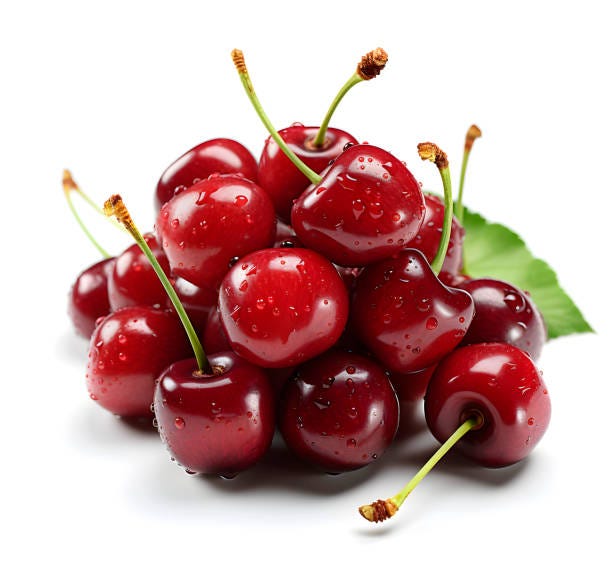


Byron, your poem captures a deeply moving contrast between the careless trust of youthful brotherhood and the quiet grief of watching that shared foundation fragment. The imagery of red-stained lips turning into untasted cherries on broken ground powerfully conveys the heartbreak of a loved one's declining mind, yet your ending finds a poignant resilience in choosing to consciously cherish sweet memory.
Hey, By--
this put me in mind of a sermon I once gave at my church. Here's the excerpt that your poem brought back to me:
At the age of nine or ten, I had a favorite climbing tree behind our house. It was an oak that stood about thirty-five or forty feet high, and I knew every major branch all the way to the top. During the summer, I'd climb it a couple of times a week, going up until the smaller branches would support my weight only if I spread out, belly down, to let them cradle me. Then, I'd lie there and look out over the fields across the railroad tracks that bordered our property. I could see an irrigation windmill and farmhouses, and I'd hear all the country sounds that were somehow less vivid on the ground: The constant buzz of insects, dozens of different bird songs, and the far away whoosh of occasional truck traffic out on the highway.
And as I rode the branches as they swayed languidly in the wind, the bells from St. Irene's would chime like a melodic counterpoint to this incredible symphony that I was the only audience to—and I felt connected to everything in a way that I wouldn't understand as holy until I was much older and had the conceptual framework to put it into words.
Thanks for the reminder. :)
Tony